DU Nuclear Engineering Department Chairman Participates in High-Level Strategic Roundtable on Bangladesh's Nuclear Energy
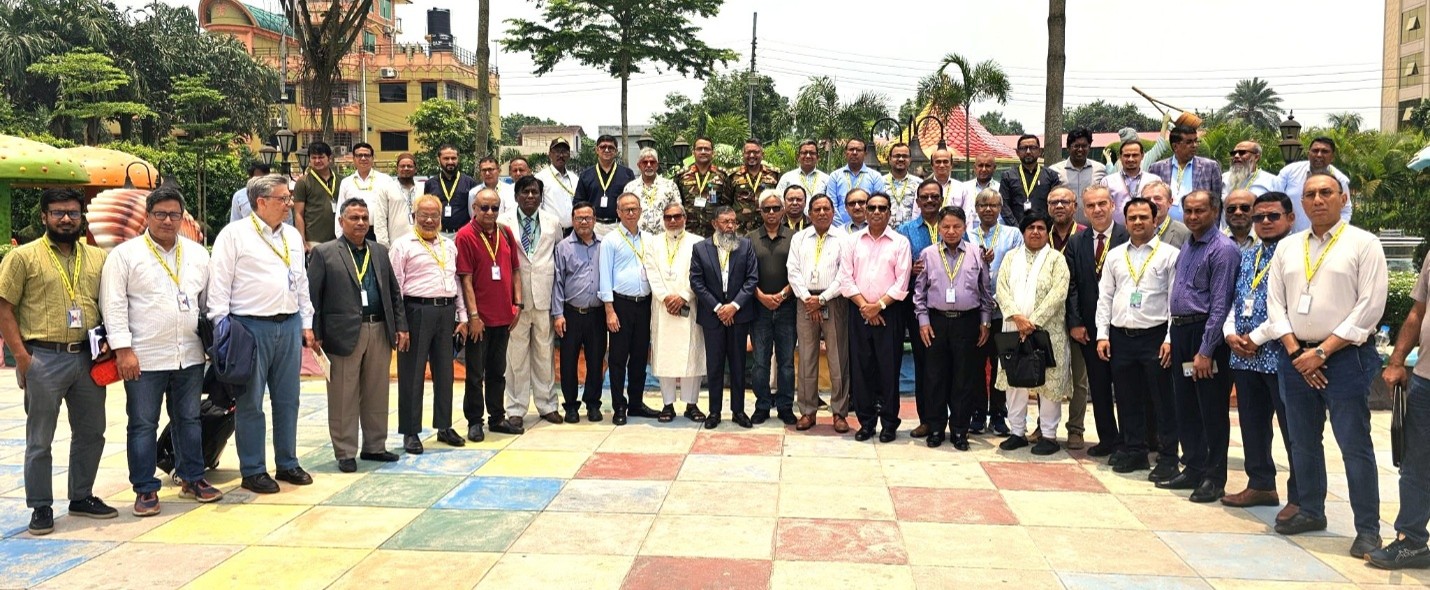
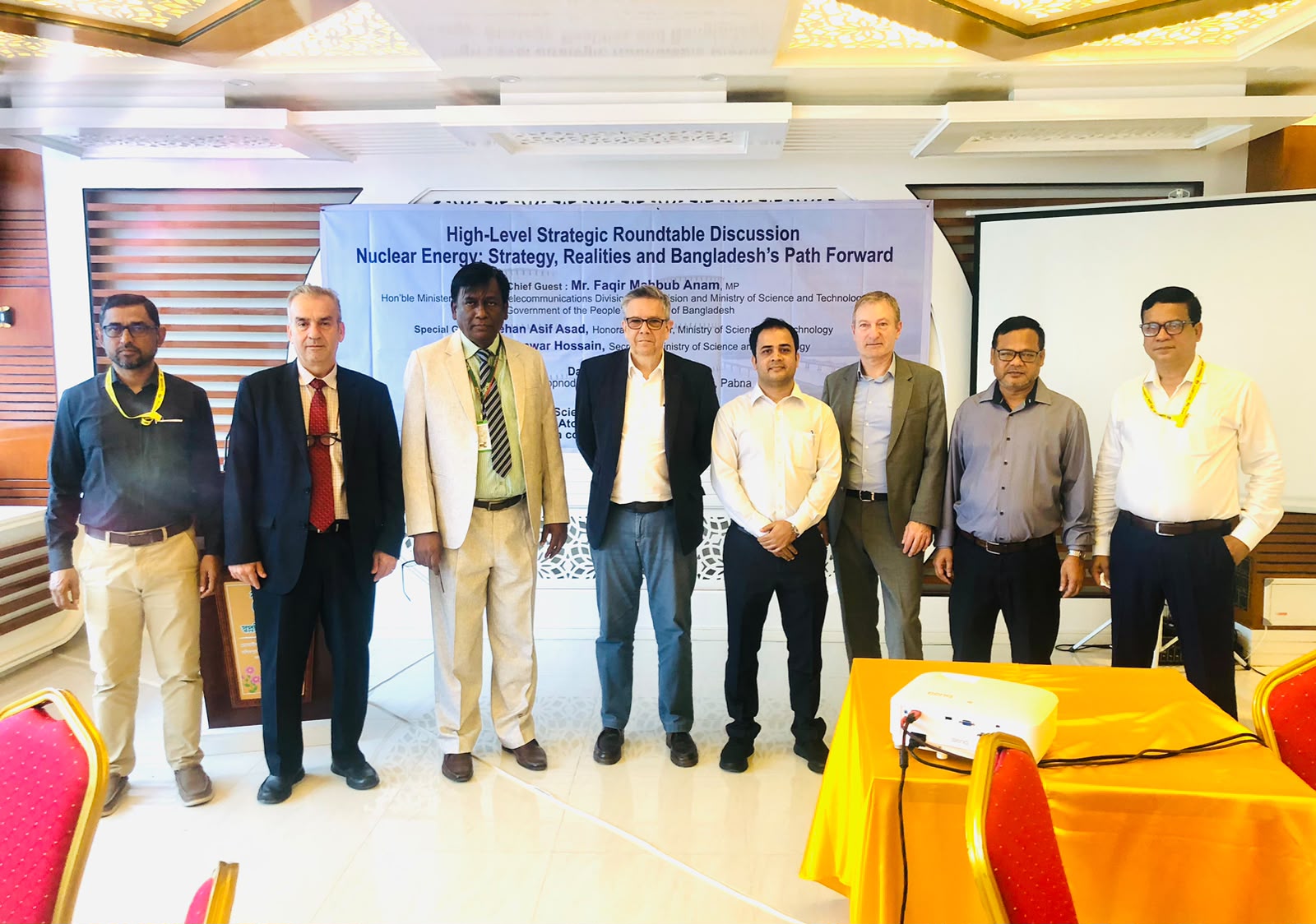
The Chairman, Dr. Animesh Pal, Assistant Professor of the Department of Nuclear Engineering, University of Dhaka, along with a Senior Professor, Dr. Md. Shafiqul Islam, of the department, participated in the “High-Level Strategic Roundtable Discussion on Nuclear Energy: Strategy, Realities and Bangladesh's Path Forward”, held on 12–13 June 2026 at Shopnodip Resort, Joynagar, Ishwardi, Pabna.
The two-day program was organized by the Ministry of Science and Technology (MOST) and the Bangladesh Atomic Energy Commission (BAEC) in collaboration with the International Atomic Energy Agency (IAEA). The roundtable brought together senior government officials, policymakers, nuclear professionals, academics, scientists/experts, industry representatives, journalists, and IAEA representatives to discuss the strategic direction of Bangladesh's nuclear power program. The Roundtable was graced by the Hon'ble Minister of MOST, as the Chief Guest. Secretary of MOST delivered the welcome address. The two-day program featured a series of interactive sessions focusing on four key themes delivered by the Chairman of BAEC, and three IAEA experts:
- Bangladesh's Nuclear Journey: Current Status and Future Outlook
- Global Nuclear Energy Trends, International Experiences, and IAEA Support
- Legal and Regulatory Framework to Support Nuclear Power Programme
- Policy and Strategies to Support Nuclear Power Programme and Industrial Involvement/Localization
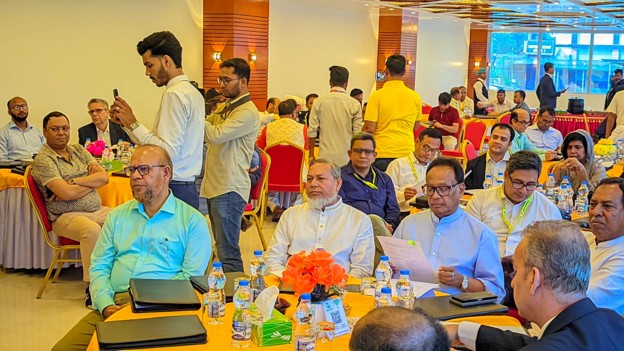
The discussions centered on the current status of the Rooppur Nuclear Power Plant project and the roadmap for its safe, secure, reliable, and sustainable operation in the coming decades. Particular emphasis was placed on the development of a highly sustainable, skilled national manpower, strengthening institutional capacity, enhancing regulatory preparedness, and fostering greater involvement of local industries and academic institutions in supporting Bangladesh's nuclear energy program.
Throughout the roundtable, experts highlighted the critical role of education, training, research, and international cooperation in ensuring the long-term success of the country's nuclear power sector. Discussions also explored future opportunities for technology transfer, localization, research collaboration, and the development of specialized human resources required for nuclear power plant operation, maintenance, safety assessment, and regulatory oversight.
Representing the Department of Nuclear Engineering, the Chairman actively participated in the discussions and emphasized the importance of strengthening university-based nuclear education and research to meet the growing demand for qualified nuclear professionals. Several recommendations were presented regarding the enhancement of academic programs, expansion of laboratory and research facilities, increased access to local and international training opportunities, establishment of collaborative research initiatives with national and international organizations, attraction of research funding, and creation of broader career opportunities for graduates in the nuclear sector.

The delegation also participated in a guided tour of the Rooppur Nuclear Power Plant project on 13 June 2026, witnessing firsthand the VVER-1200 reactor unit-2, mockup, simulator, and auxiliary facilities.
The Department of Nuclear Engineering, University of Dhaka, remains committed to contributing to Bangladesh's peaceful nuclear energy programme through excellence in education, research, innovation, and capacity building. The Department looks forward to strengthening its collaboration with national and international stakeholders to support the safe and sustainable development of nuclear technology in Bangladesh.
The Department of Nuclear Engineering extends its sincere gratitude to the Ministry of Science and Technology (MOST) , Bangladesh Atomic Energy Commission (BAEC) , and the International Atomic Energy Agency (IAEA) for organizing this strategic dialogue and for recognizing the vital contribution of academic institutions in the country's nuclear power programme.