
Confucius Institute at University of Dhaka's Teacher Akib Irfan Participates in the 2026 Visiting Program for Young Sinologists in China达卡大学孔子学院本土教师艾喆参加2026青年汉学家研修计划项目
2026年9月9日至29日,达卡大学孔子学院(CIDU)本土教师艾喆(Akib Irfan)参加了在中国山东举办的2026青年汉学家研修计划(山东班)。本次研修计划由中华人民共和国文化和旅游部主办,中外文化和旅游交流中心、山东省文化和旅游厅、曲阜师范大学共同承办,共有来自亚洲、欧洲、拉丁美洲及非洲20个国家的21名青年汉学家参加。他们在孔子故里曲阜及山东省内多地,展开了为期三周的学习、研究与文化考察活动。
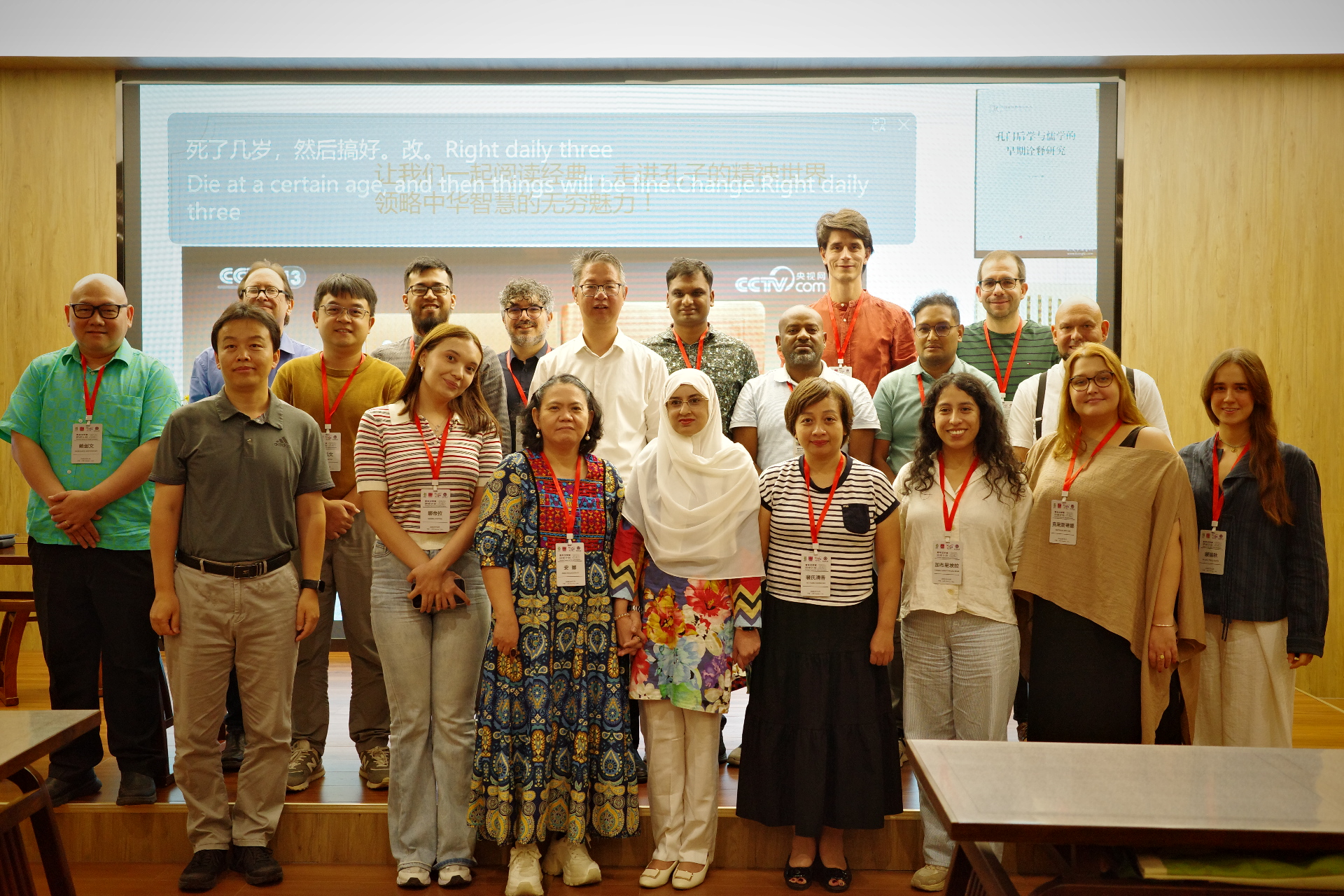
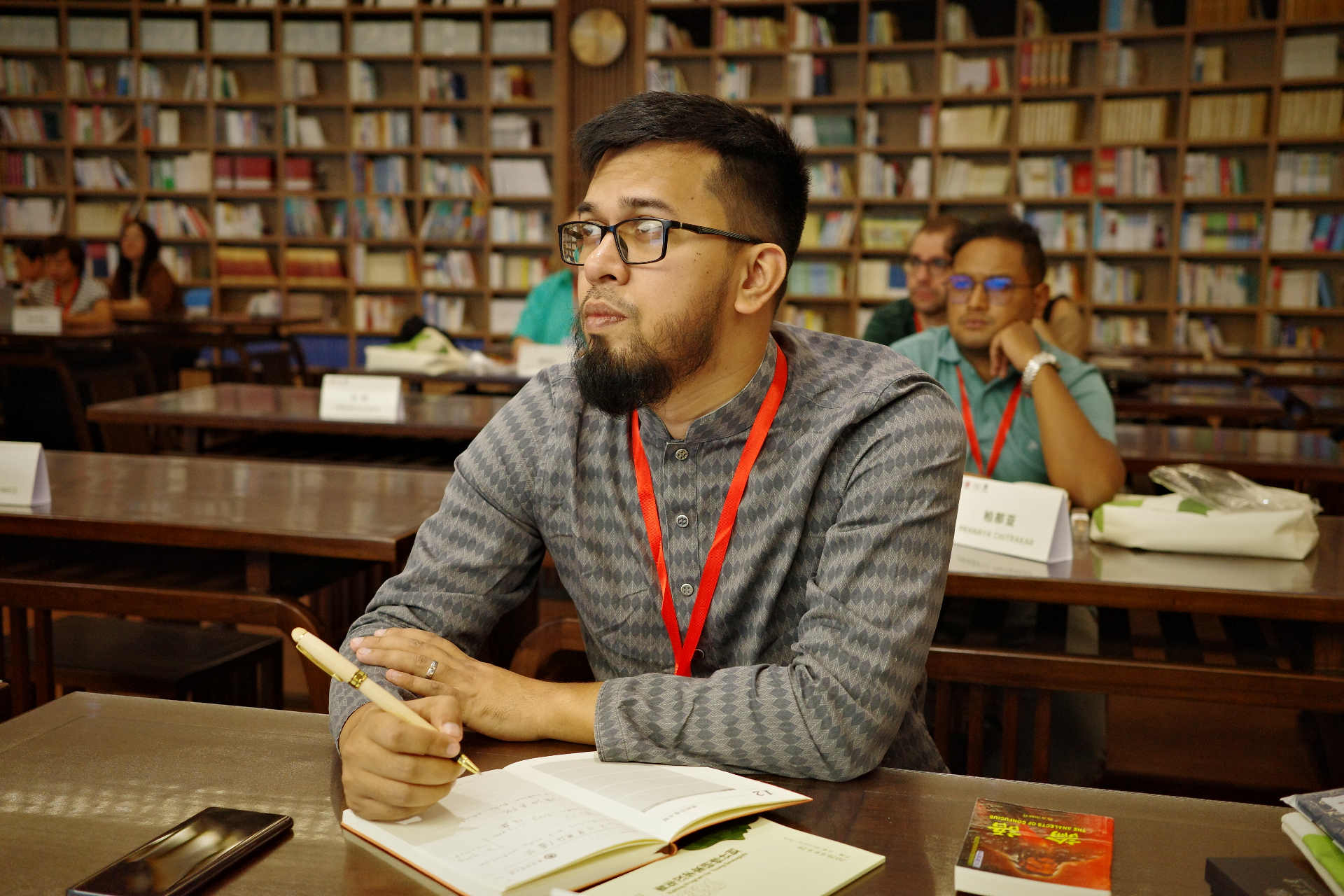
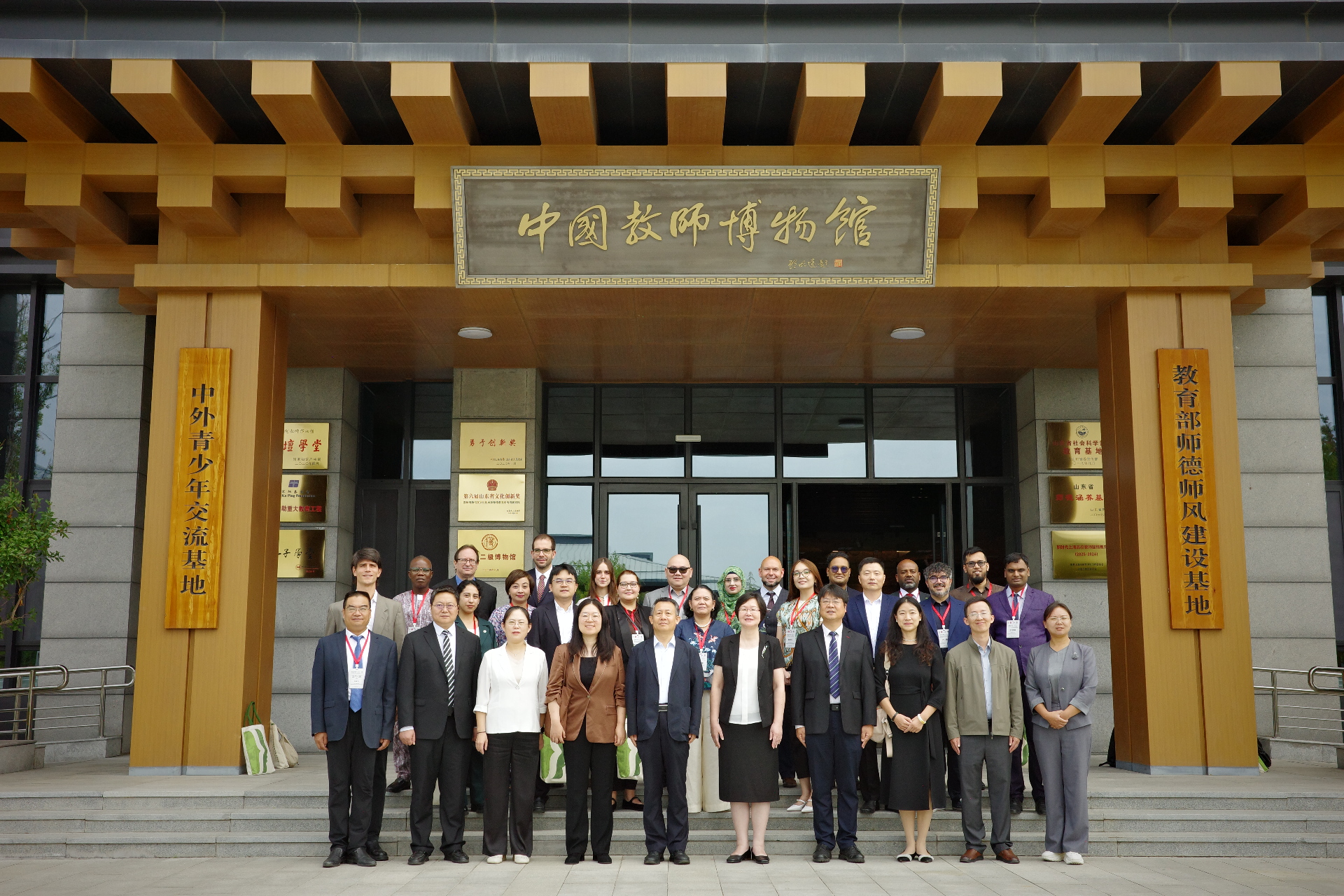
本次研修主题为“儒家思想的现代转化与国际传播”,围绕儒家思想精华在当代中国的传承与发展、儒家思想与全球文明倡议的关联,以及儒家智慧对当今人类共同挑战的启示等内容展开。
为期三周的研修活动涵盖高端学术讲座、分组研修、论文写作指导、文化体验与实地考察。研修期间,学员们聆听了曲阜师范大学多位知名学者的系列讲座,包括宋立林教授的“孔子与早期儒学”及“儒家礼乐文明与当代传承”、郑治文教授的“儒家哲学思想的当代发展”、周海生教授的“儒家经典的现代阐释”、夏云教授的“跨语际翻译策略与国际中文教育”、徐欣教授的“跨语际翻译与公共外交中的‘中国话语’”、秦洪武教授的“儒家核心概念的海外传播”、颜炳罡教授的“儒家哲学思想与全球文明倡议”,以及张建华副教授的“中国古典诗词的吟唱”等,内容涵盖儒学、翻译、语言教育与全球文明倡议等多个维度。
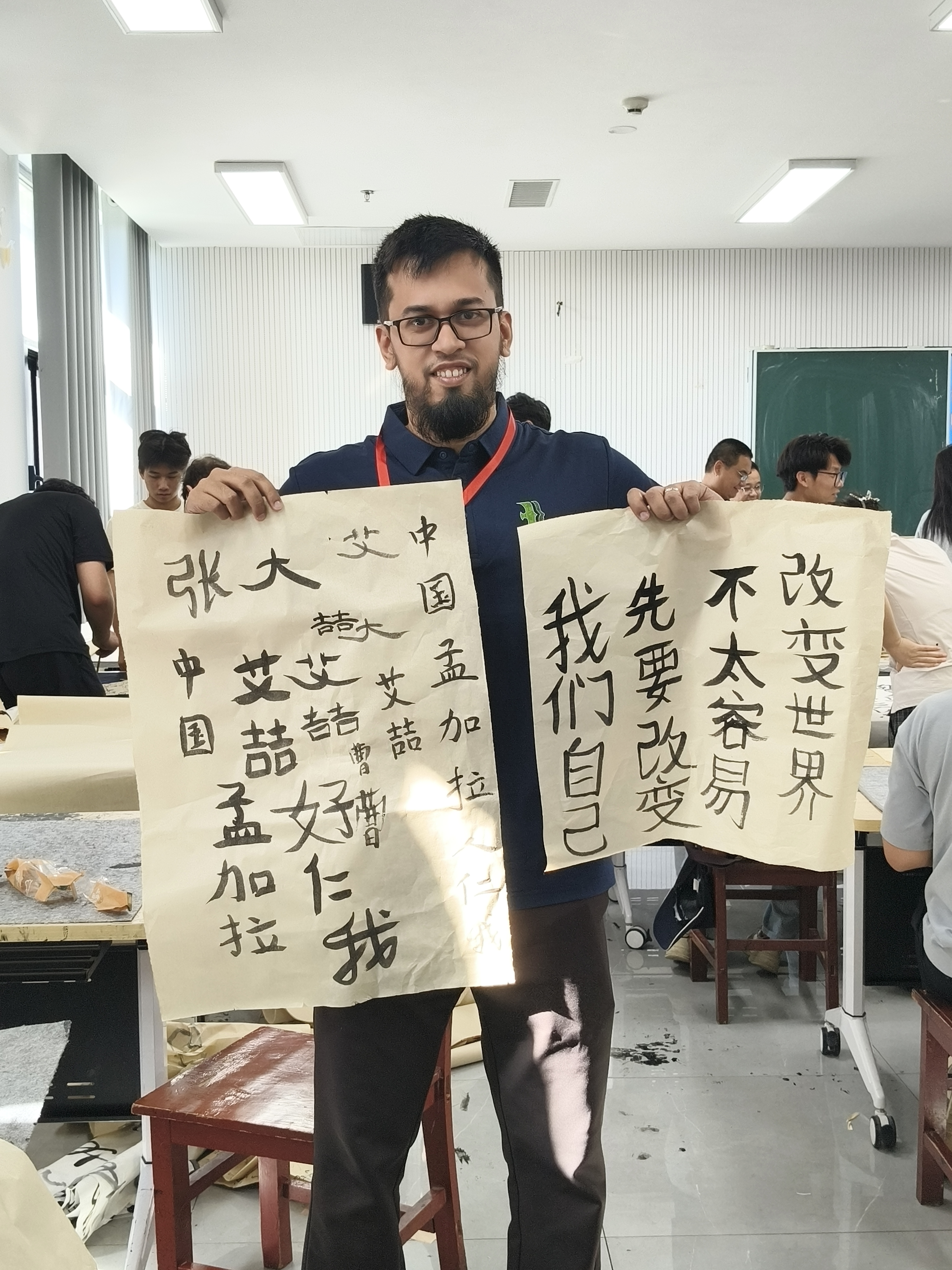
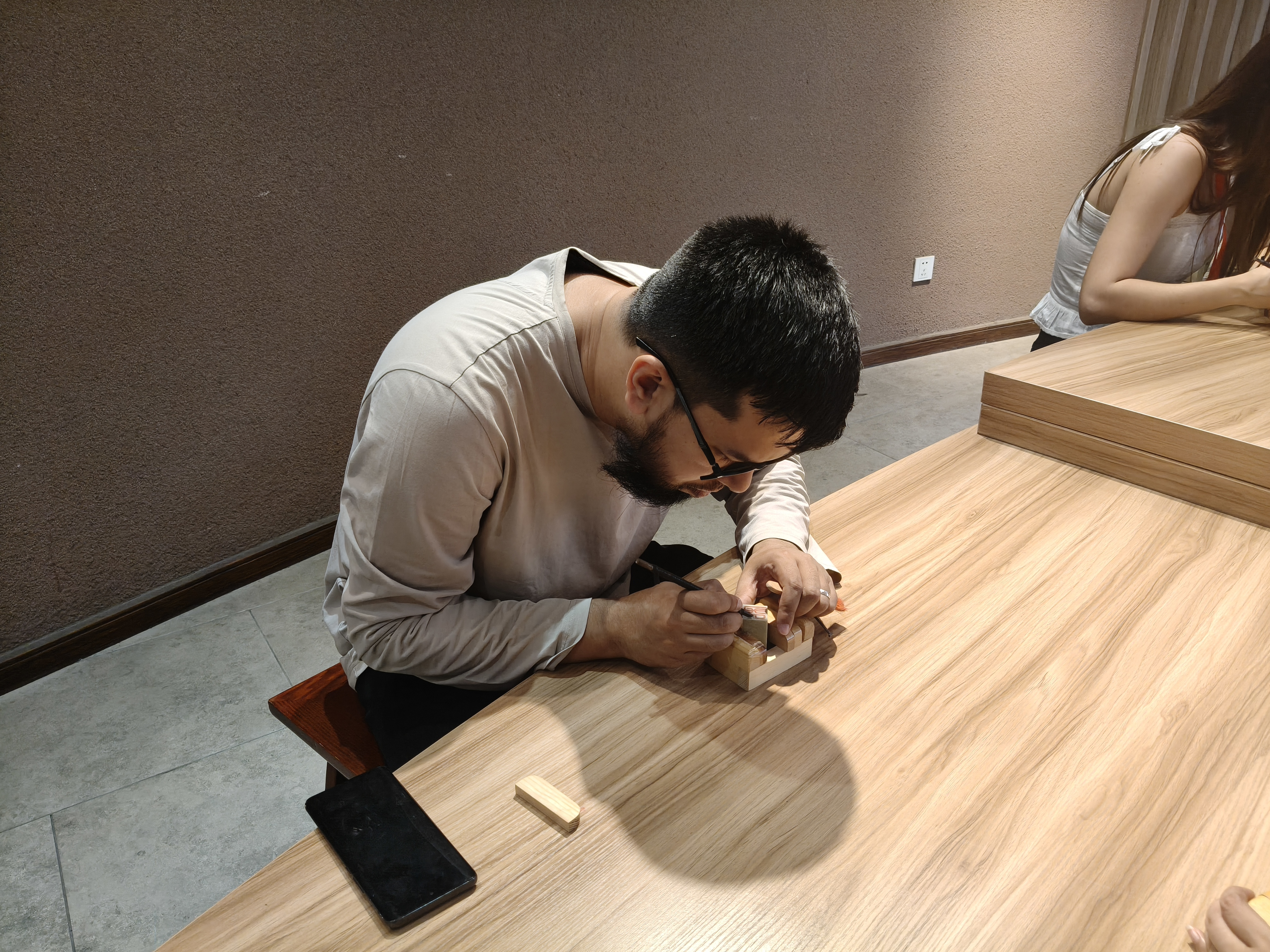
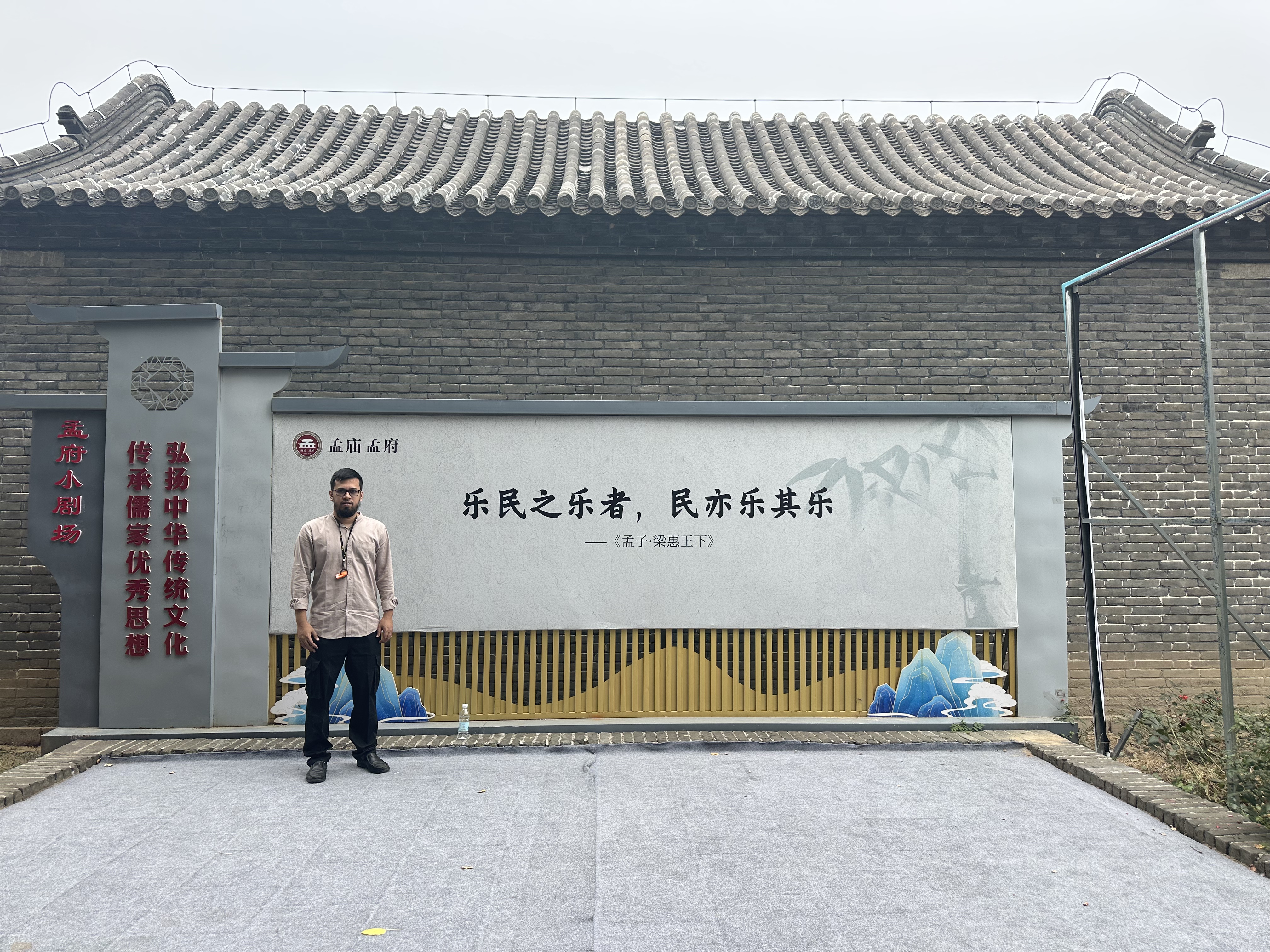
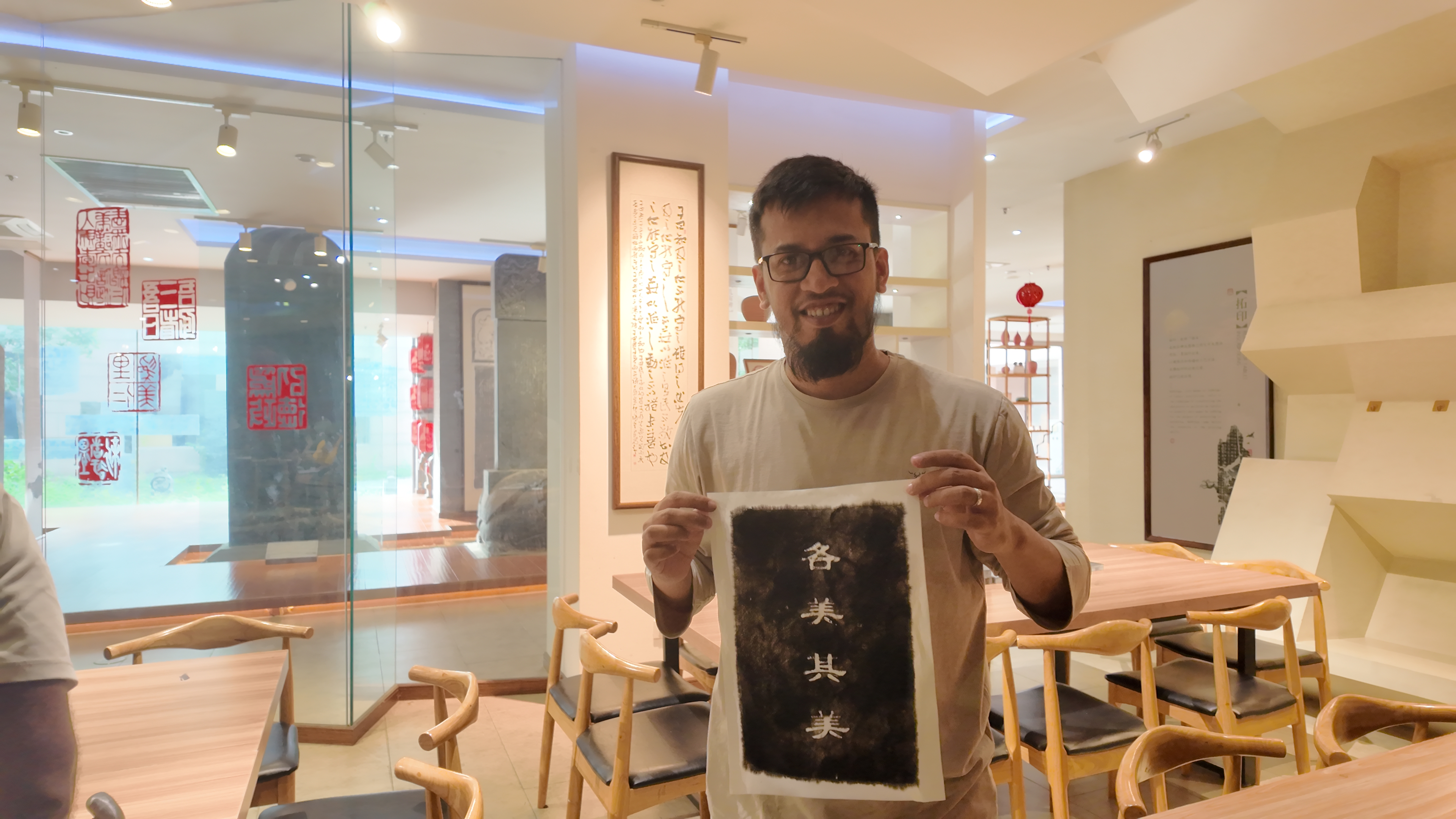
学员们参访了曲阜孔庙、孔府、孔林,邹城孟府、孟庙及孔子博物馆,在尼山圣境体验汉服与大型实景礼乐演艺,参与了中医药文化、书法、射艺与武术等传统文化体验,并出席了曲阜故城开门仪式、洙泗书院研学及儒源村新农村建设考察。研修班还组织学员赴日照、青岛开展实地考察,参观现代化港口码头、汽车出口企业及城市文化街区,深入了解山东省经济社会发展现状。研修班闭幕前,学员们参加了中国国际孔子文化节及公祭孔子大典,为整个研修画上圆满句号。
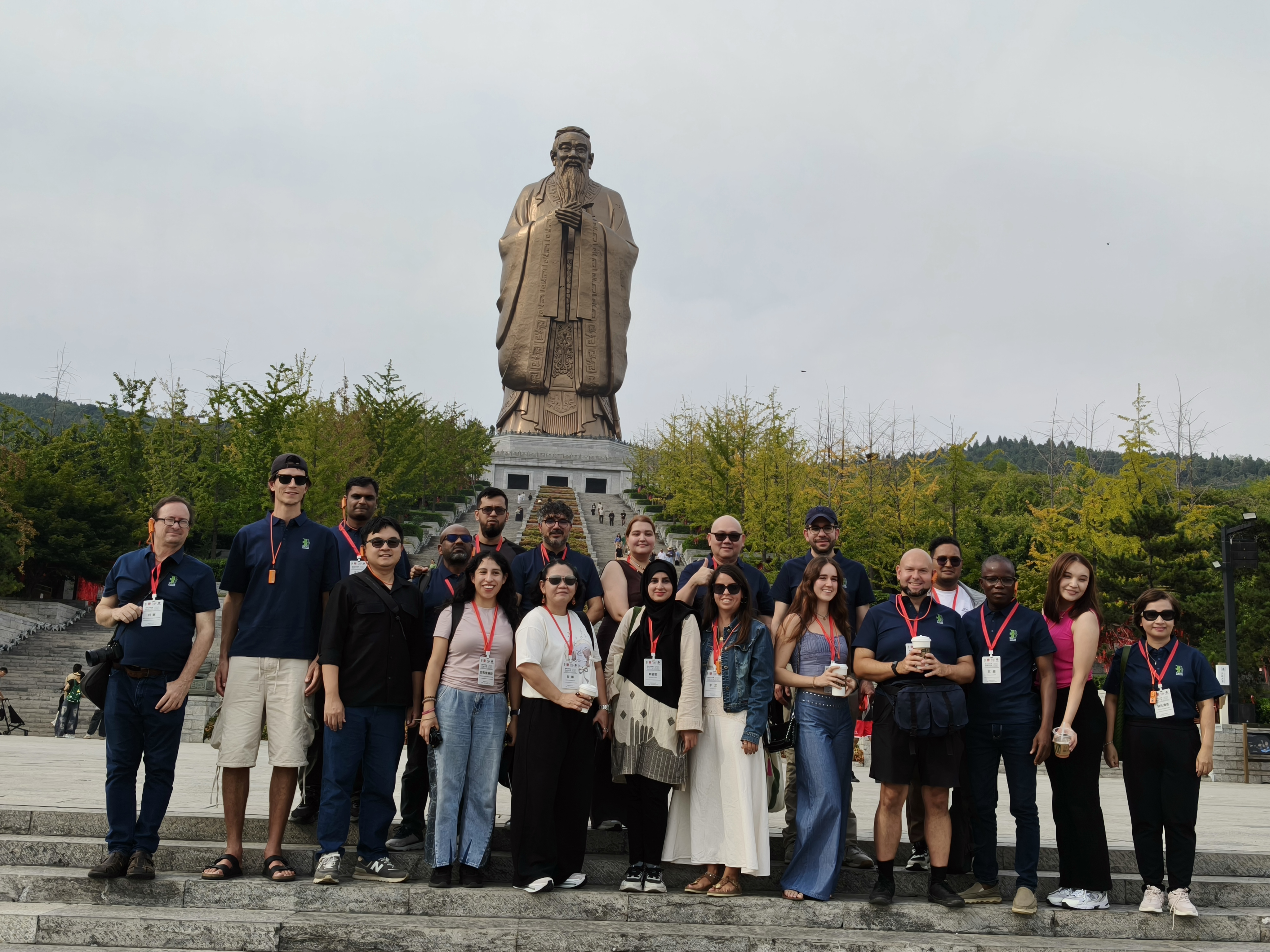
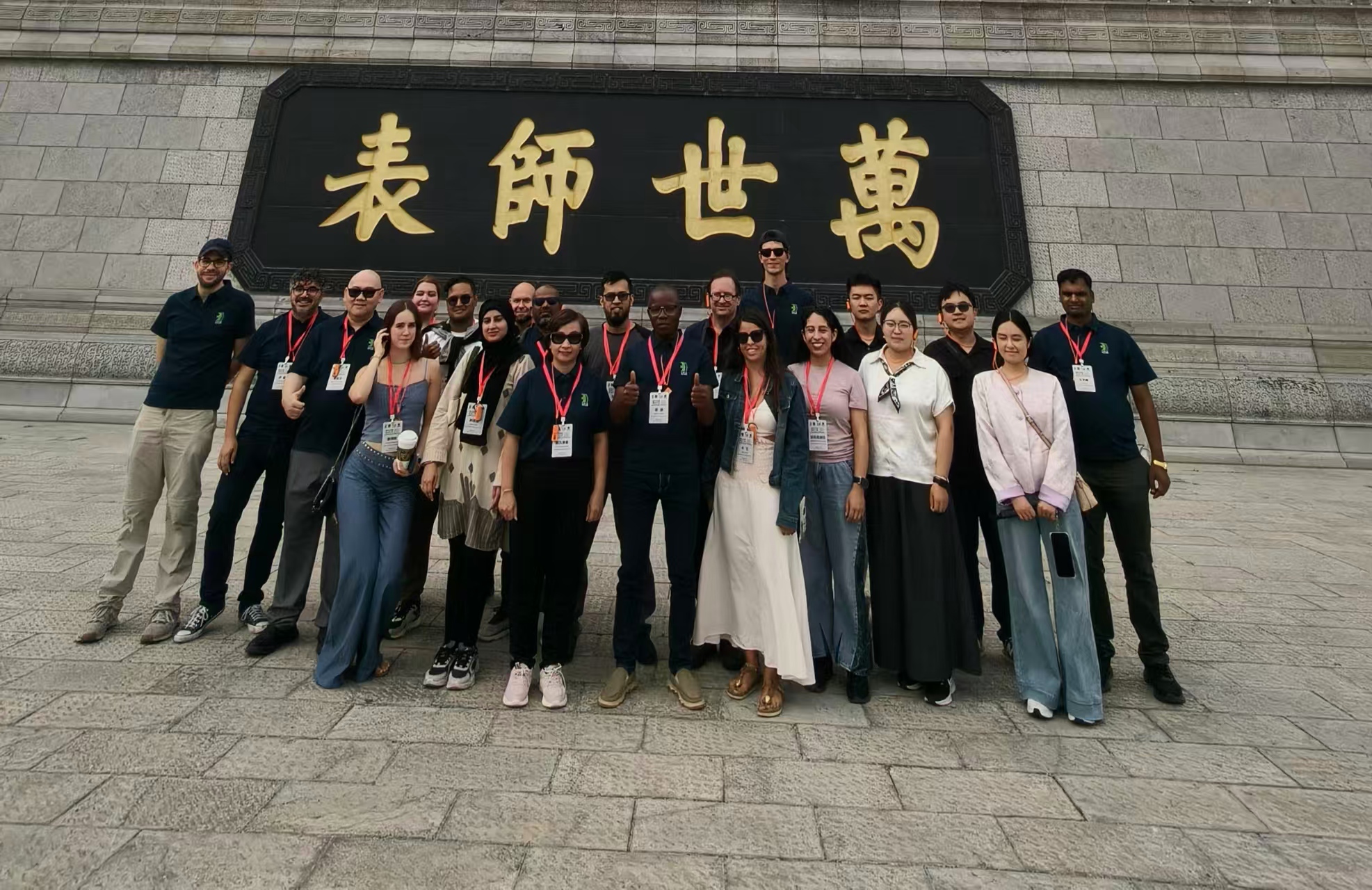
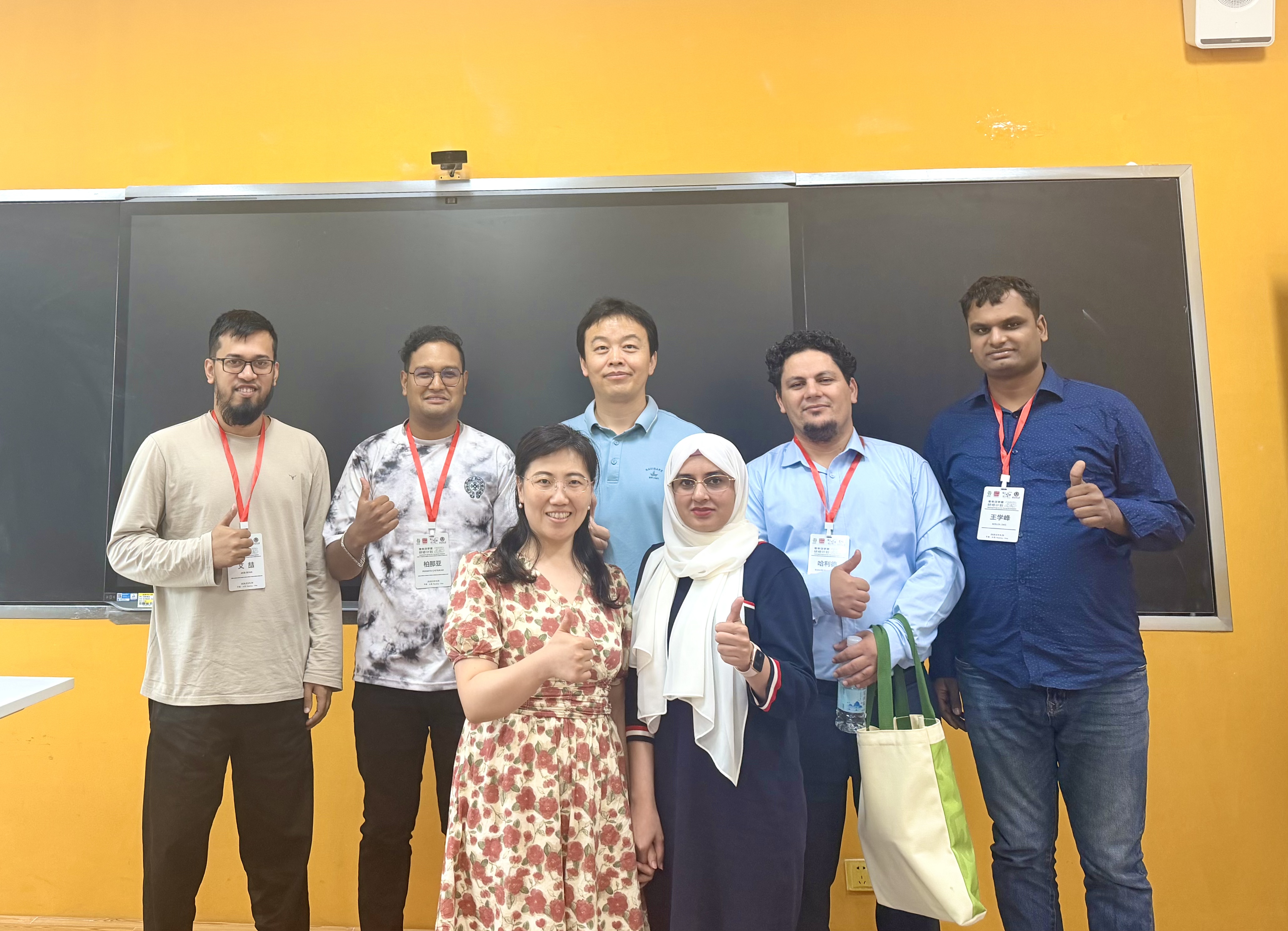
艾喆在研修期间被分入“国际中文教育”研修小组,在夏云教授、张金圈教授的指导下,与来自尼泊尔、巴基斯坦、突尼斯等国的学员一起,围绕国际中文教育的相关议题展开深入研讨。
艾喆表示,这次研修让他对“全球文明倡议”有了更具体的理解——不同文明如何在尊重彼此差异的基础上开展平等对话,这也是他今后学术工作中持续关注的问题。作为长期在孟加拉国从事中文教育的从业者,他尤其关注儒家伦理与孟加拉本土文化、伊斯兰伦理传统之间的对话可能,期待未来能够以此次研修所获,为推动中孟两国人文交流与相互理解贡献一份力量。
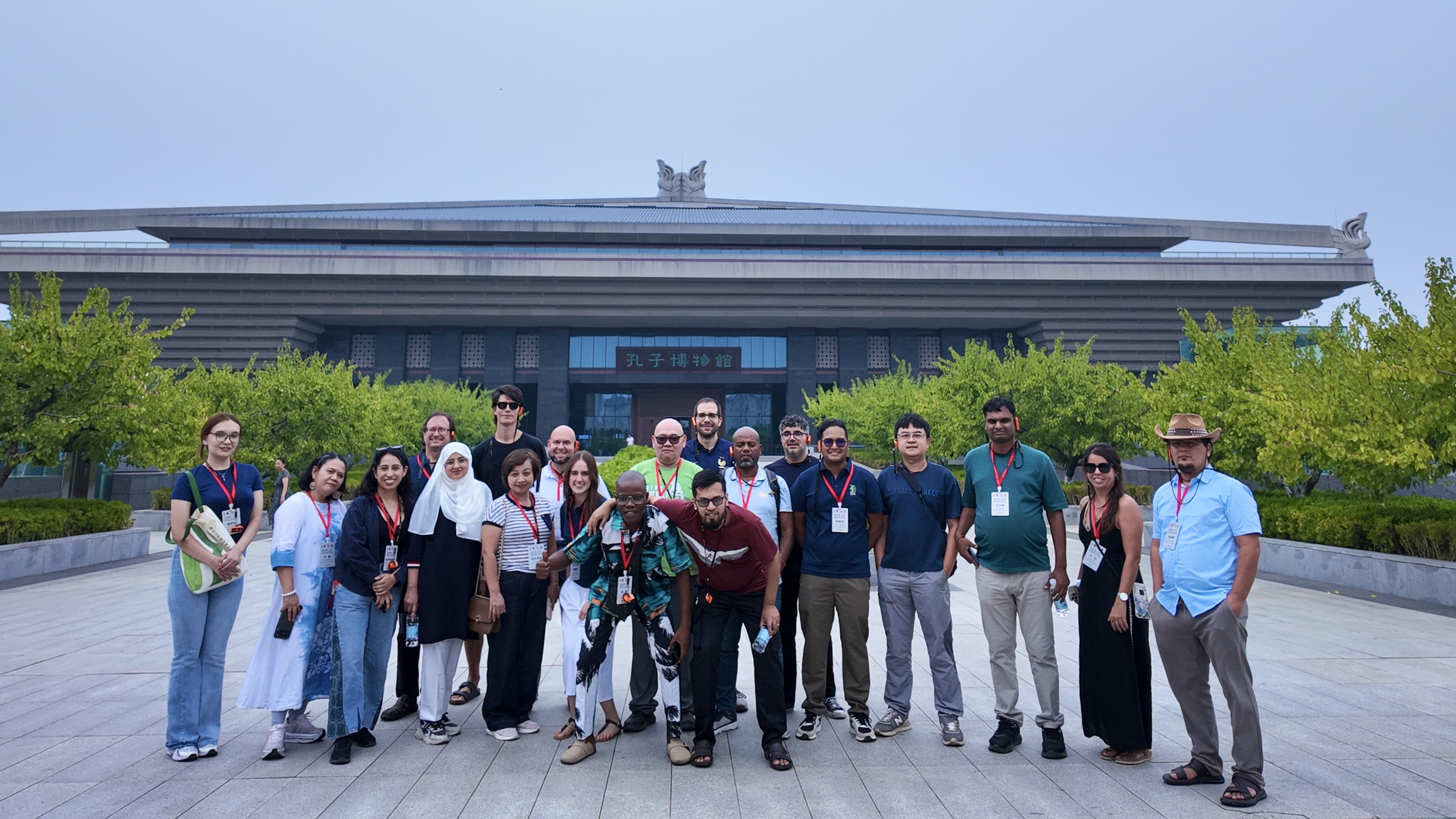
From September 9 to 29, 2026, Akib Irfan, a teacher from the Confucius Institute at the University of Dhaka (CIDU), participated in the 2026 Visiting Program for Young Sinologists (Shandong Session) in China. The program was hosted by the Ministry of Culture and Tourism of the People's Republic of China, and organized by the China Center for International Cultural Exchange and Tourism Promotion, the Shandong Provincial Department of Culture and Tourism, and Qufu Normal University. A total of 21 young sinologists from 20 countries across Asia (South, Central and Southeast Asia), Europe, Latin America and Africa took part, spending three weeks of study, research and cultural exploration in Qufu — the hometown of Confucius — and other cities across Shandong Province.
The theme of this year's program was “The Modern Transformation and International Communication of Confucian Thought,” focusing on the inheritance and development of Confucian thought in contemporary China, its connection with the Global Civilization Initiative, and its relevance to addressing challenges facing humanity today.
The three-week program combined intensive academic lectures, group research, paper-writing guidance, cultural experiences and field study. Participants attended a series of lectures by leading scholars from Qufu Normal University, including Professor Song Lilin's “Confucius and Early Confucianism” and “Confucian Ritual and Music Civilization and Its Contemporary Legacy”; Professor Zheng Zhiwen's “Contemporary Development of Confucian Philosophy”; Professor Zhou Haisheng's “Modern Interpretation of Confucian Classics”; Professor Xia Yun's “Cross-lingual Translation Strategies and International Chinese Language Education”; Professor Xu Xin's “Cross-lingual Translation and ‘Chinese Discourse’ in Public Diplomacy”; Professor Qin Hongwu's “Overseas Dissemination of Core Confucian Concepts”; Professor Yan Binggang's “Confucian Philosophy and the Global Civilization Initiative”; and Associate Professor Zhang Jianhua's “Recitation of Classical Chinese Poetry” — covering Confucian thought, translation, language education and the Global Civilization Initiative from multiple angles.
Participants visited the Confucius Temple, Confucius Mansion and Confucius Cemetery in Qufu, as well as the Mencius Mansion, Mencius Temple and Confucius Museum in Zoucheng; experienced Hanfu costume and a grand ritual-music performance at Nishan Sacred Land; and took part in traditional Chinese medicine culture, calligraphy, archery and martial arts activities. They also attended the gate-opening ceremony at Qufu Ancient City, a study visit to Zhusi Academy, and a cultural tour of new rural development in Ruyuan Village. The program further took participants to Rizhao and Qingdao for field study, including visits to a modern automated port terminal, an automobile export enterprise, and cultural districts of the two cities, offering a close look at Shandong's economic and social development. Toward the close of the program, participants attended the International Confucius Culture Festival and the Grand Sacrificial Ceremony to Confucius, bringing the program to a fitting conclusion.
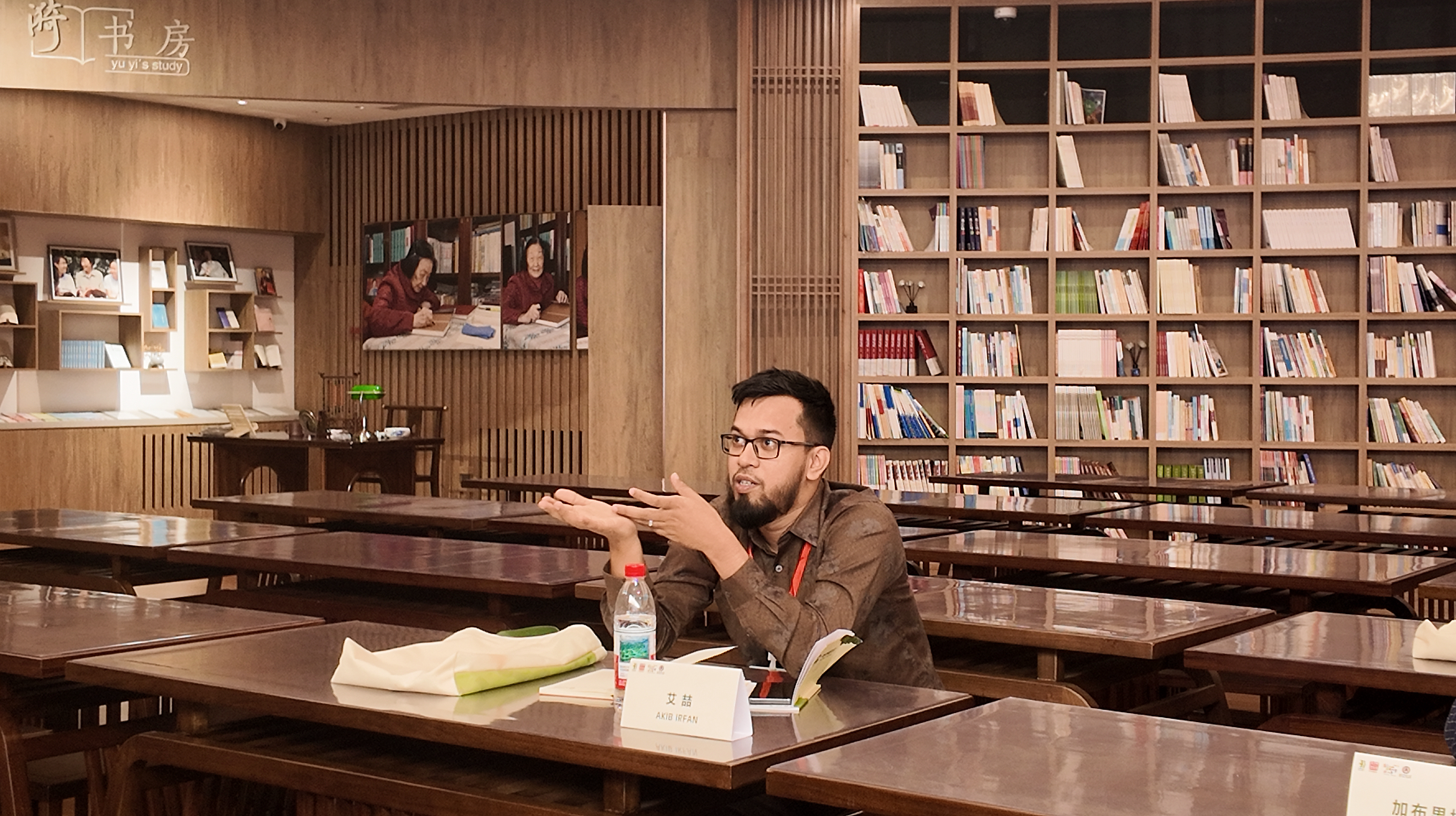
During the program, Akib Irfan was placed in the “International Chinese Language Education” research group, where, under the guidance of Professor Xia Yun and Professor Zhang Jinjuan, he engaged in in-depth discussions on international Chinese language education together with fellow participants from Nepal, Pakistan, Tunisia and other countries.
Akib Irfan said the program gave him a much more concrete understanding of the Global Civilization Initiative — particularly the question of how different civilizations can engage in equal dialogue while respecting one another's differences, a question he intends to keep exploring in his future academic work. As a scholar who has long worked in Chinese language education in Bangladesh, he is especially interested in the possibilities for dialogue between Confucian ethics and Bangladesh's own cultural and Islamic ethical traditions, and looks forward to drawing on what he gained from this program to help advance mutual understanding and people-to-people exchange between China and Bangladesh.